
Read the signal, not just the colour
Warning lights are vehicle-specific, so check your handbook for the exact symbol. In general, red warnings can indicate a problem requiring prompt attention, while amber warnings often mean the vehicle needs checking soon. A flashing light or a change in how the car drives is more urgent.
Stop safely for serious warnings
If a warning is red, the engine is overheating, oil pressure is indicated, braking feels abnormal, or you see smoke or smell burning, find a safe place to stop and follow the handbook guidance. If you are unsure, arrange recovery or seek appropriate assistance.
Make a useful note
Note the symbol, whether it was steady or flashing, any display message and symptoms such as poor starting, reduced power, vibration or unusual noises. This context helps a technician interpret stored fault information.
Use diagnostics as the first step
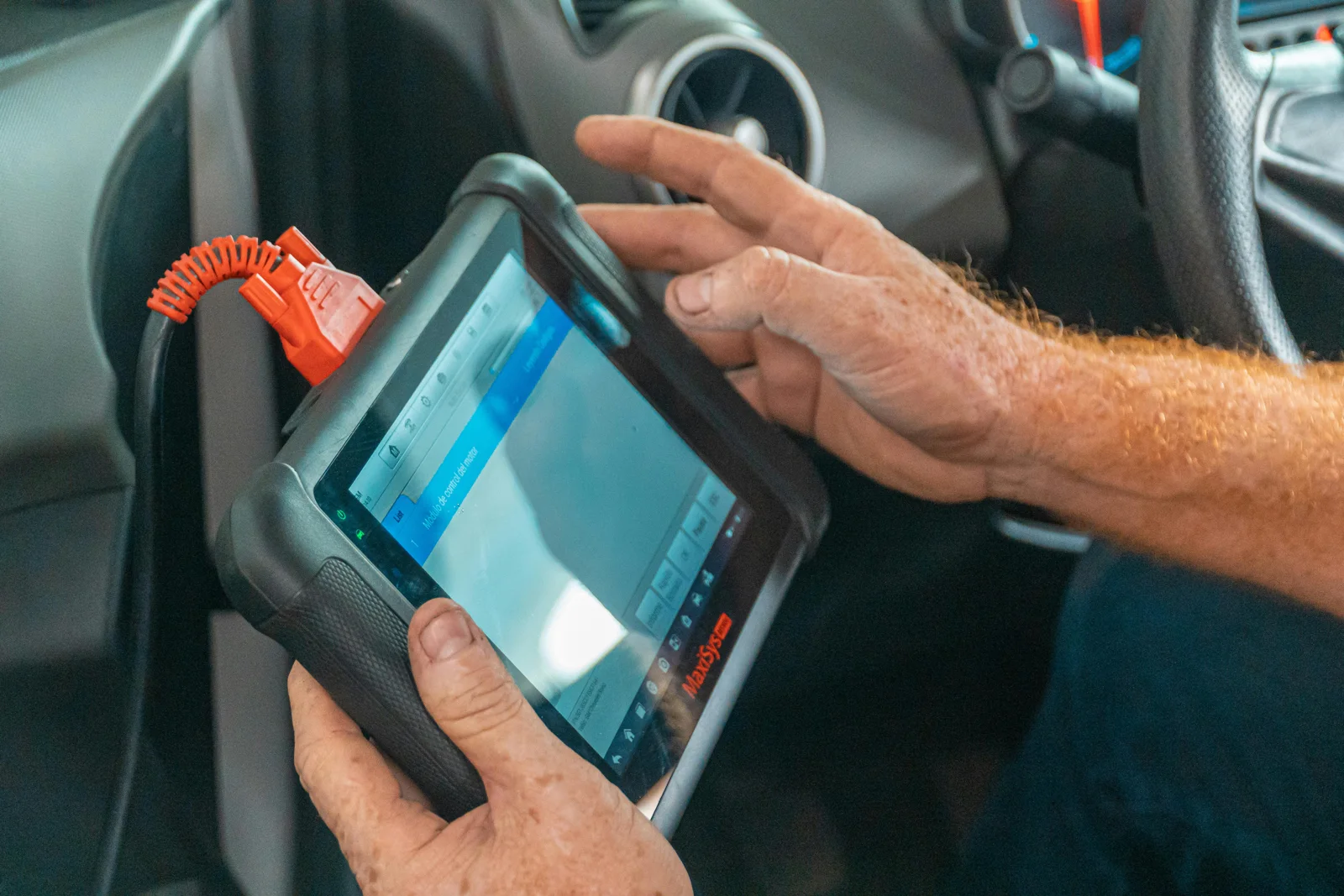
A scan can identify stored fault codes and live information, but a code is a clue rather than an automatic parts list. Good diagnosis combines the scan result with symptoms, visual checks and testing.
Further reading
When in doubt, arrange an inspection
These notes are general vehicle-care guidance. If a fault affects safe driving, a tyre is visibly damaged, braking feels abnormal or the vehicle is behaving unexpectedly, do not rely on this guide alone—contact a workshop or seek appropriate assistance.