
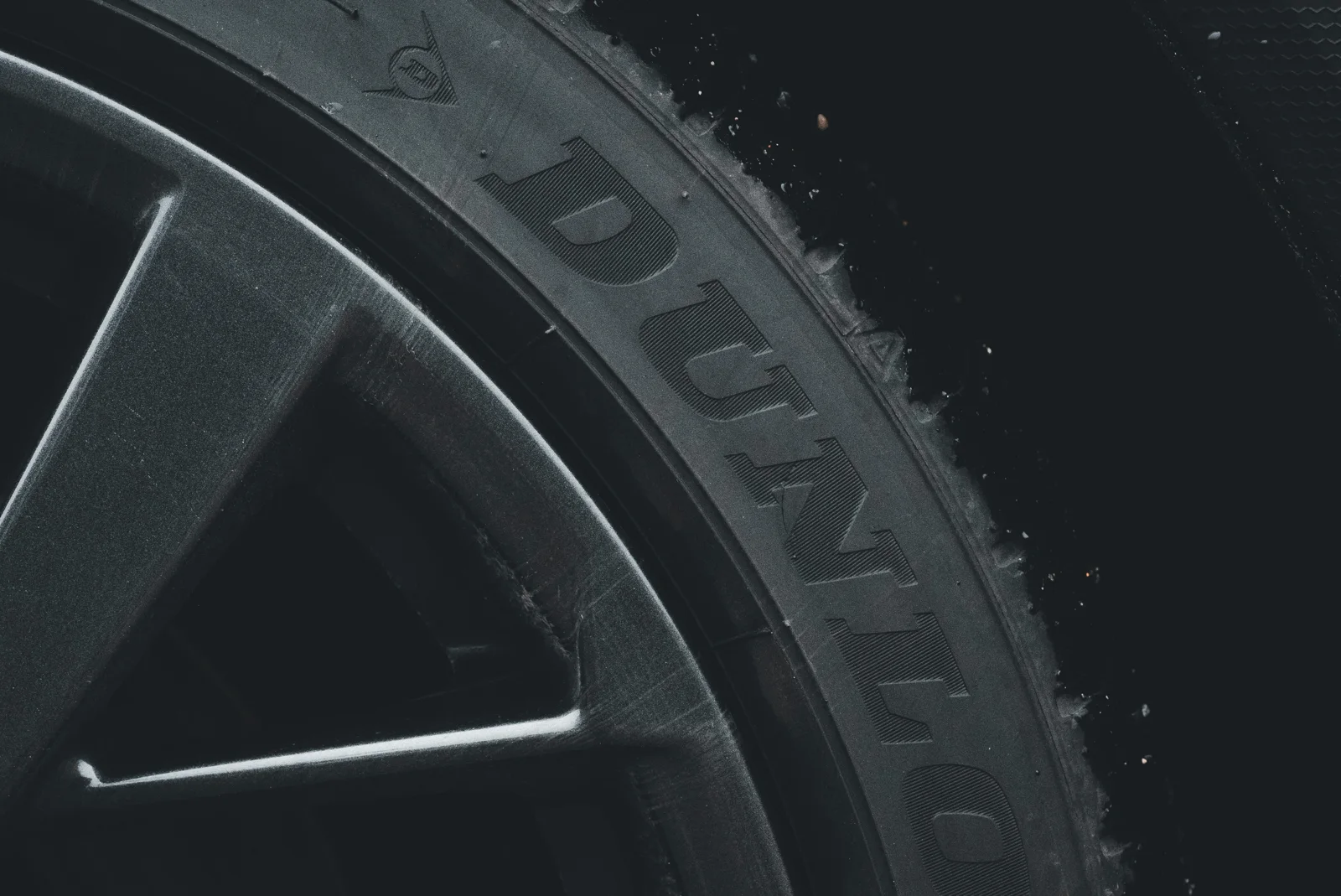
Start with a walk-around
With the vehicle parked safely, look across each tyre, including the inner sidewalls where you can see them. Look for cuts, bulges, objects in the tread, cracking and uneven shoulder wear. A bulge, exposed cords or a deep cut needs professional attention; do not rely on a temporary repair for structural damage.
Check tread where it matters
For cars in Great Britain, the legal minimum tread depth is 1.6 mm across the central three-quarters of the tread and around the entire circumference. Treat that as a minimum, not a target: wet-weather grip reduces before a tyre reaches the limit.
Use the right pressure
Check pressures when tyres are cold and use the vehicle manufacturer's recommended settings, usually found in the handbook or on the vehicle. Repeated pressure loss or a visibly low tyre should be investigated rather than simply topped up.
Know when to ask for a check
Uneven wear, steering pull, vibration, kerb impacts and punctures are all reasons to arrange an inspection. Do not assume a run-flat tyre can be safely repaired after it has been driven deflated.
Further reading
Official vehicle maintenance guidance · TyreSafe tread-depth advice
When in doubt, arrange an inspection
These notes are general vehicle-care guidance. If a fault affects safe driving, a tyre is visibly damaged, braking feels abnormal or the vehicle is behaving unexpectedly, do not rely on this guide alone—contact a workshop or seek appropriate assistance.